What makes a great facilitator? It’s not just what you teach—it’s how you guide the experience.
Training vs. Facilitation
Training = Delivering Knowledge
✔ The focus is on content, structure, and expertise.
✔ The trainer holds the information; participants are the receivers.
✔ The goal is for them to learn something new.
Facilitation = Unlocking Wisdom in the Room
✔ The focus is on creating conversations, insights, and self-discovery.
✔ The facilitator guides rather than acts as the ‘expert.’
✔ The goal is for participants to see their own answers and take action.
I often describe what I do to stakeholders as connecting the dots—threading their needs into the conversation, allowing participants to pull and weave their own patterns.
In reality, most of us wear many hats: training and imparting knowledge, consulting or mentoring offering advice and facilitation through unlocking insights, and sometimes even refereeing!!
Facilitation Tips
Want to transition from training to true facilitation? Try this:
✅ Instead of giving answers, ask great open questions.
✅ Instead of presenting slides, get them engaging with each other.
✅ Instead of rigid agendas, adapt to what the room needs.
This last part can feel unnerving—it certainly took me years to get comfortable. While I always have an agenda, it’s more often than not flexible. That’s my Arranger and Individualization in action. Utopia to me is being told there is no projector.
The key is keeping the session’s outcomes in mind (if you have seen me comment on the Gallup Facebook posts when people ask about what activity to use, then you know this, I sound like a broken record.)
When participants are having deep, meaningful discussions, sometimes the best move is to stay in that space rather than saying, “Time’s up—let’s move on!”
Recently, I checked in with Bryn, a coach I’ve been working with. She shared how the Trust Continuum activity—typically a 15-20 minute exercise—turned into a 2+hour deep dive on trust. These are the moments where we find gold in the group by digging just a little deeper and being comfortable to trust our instincts and being clear on their desired outcomes.
My Own Journey into Facilitation
When I transitioned from IT sales at Verizon to what I do today over 10 years ago now, I sought the highest-level facilitation training I could find in Australia—an Advanced Diploma of Facilitation with Groupwork.
It was a 12-month program, starting with a 3-day residential and followed by monthly 2-day sessions covering everything from self-awareness to group dynamics, unconscious bias, and micro-skills to hot spots and tricky bits.
Their definition of facilitation? “Making possible the purpose of the group.”
Want to Level Up Your Facilitation?
Join us in Denver, Colorado, June 2-3 for a gathering of coaches and facilitators for 3 days connecting, learning and sharing.
Popular topics include:
✨ Designing impactful programs
✨ Interactive activities to use with teams
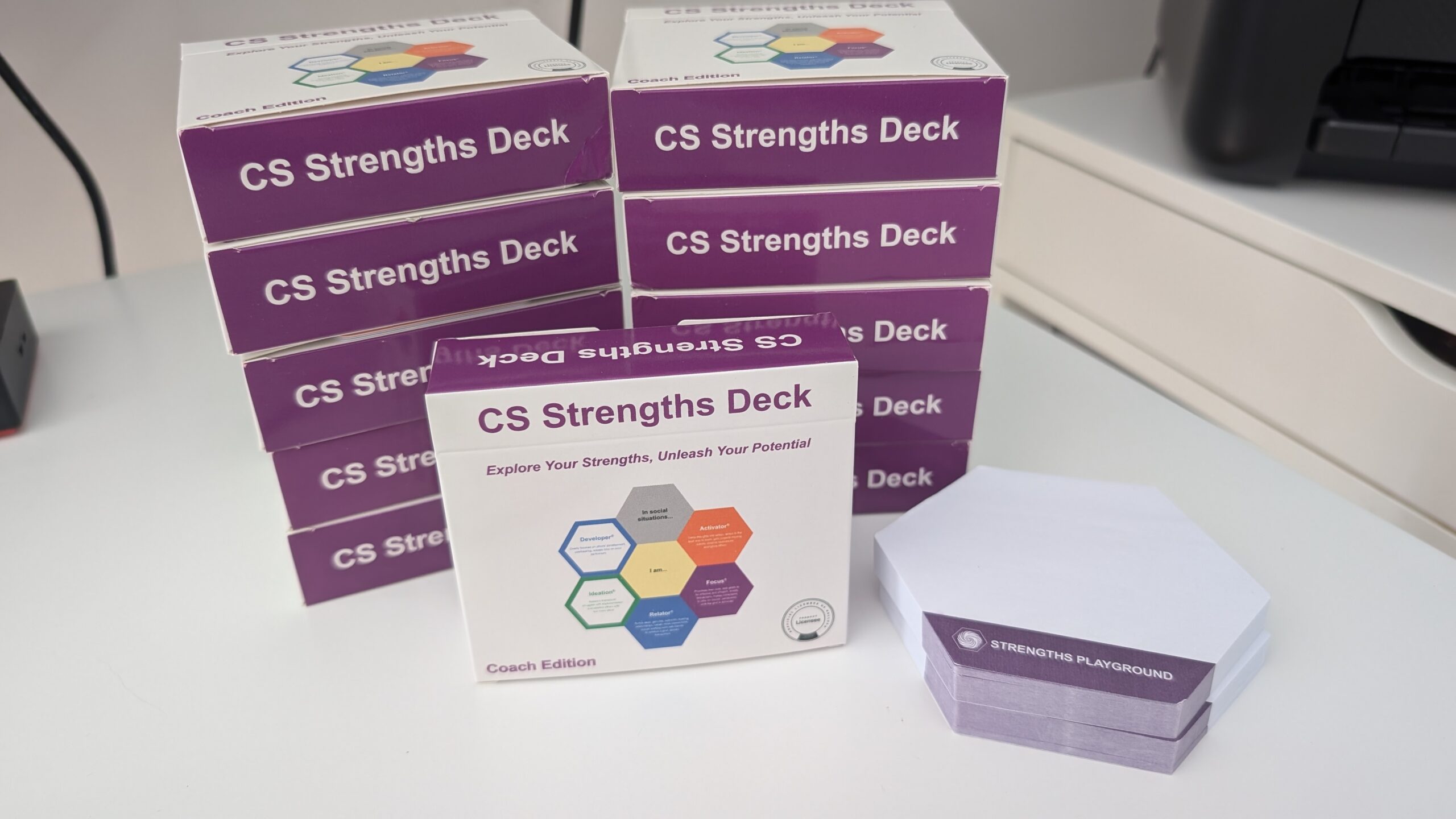
✨ Using the new CliftonStrengths Deck for 1:1 coaching and groups
(My extra packs turned up today!)
I will be facilitating a session on Group Dynamics & Micro-Skills for Collaboration.
A Final Thought
The world is hurting right now, and our work as facilitators, coaches, and guides is needed more than ever. Holding space for others, fostering connection, and helping people find their own wisdom is powerful, necessary work. So please—take care of yourself, too.
Be safe out there and keep making an impact.